
This post may contain affiliate links. If you make a purchase through links on our site, we may earn a commission.
I wanted to explore All About Fresh Mint, and answer the question, “What can I do with mint?”. Mint is a widely used culinary herb that’s known for its fresh perky taste in foods and drinks. It’s also known for its medicinal properties and health benefits like improved digestion, relief from nausea, and possible weight loss. And it’s one of my favorite flavors!
Discover the uses of fresh mint as we explore all that it has to offer. From zesty mojitos to vibrant salads, fresh mint adds a burst of freshness that elevates any dish.
We’ll look at this versatile herb, from culinary uses, to the health benefits it offers, and offering lots of ways to use Fresh Mint. So, grab a sprig of mint, settle in, and let’s explore all that fresh mint has to offer.
And I’ll share recipes for mint water, mint sugar, and mint simple syrup. Also, how to up the minty-ness with mint ice!
We appreciate your support
Please let me know if you have any questions about this recipe. I read all the comments myself and I try to help as soon as I can. I have readers from all levels of comfort and experience in the kitchen on my site, and I’ve tried to answer some of your questions already in the post. But if I’ve missed anything, please feel free to leave a comment and ask.

Introduction to Fresh Mint
Mint belongs to the Lamiaceae family, which contains around 15 to 20 plant species, including the most comment varieties, peppermint and spearmint.
It’s a popular herb that people can use fresh, dried, or in oil form in many dishes and infusions.
Manufacturers of toothpaste, gum, candy, and beauty products often use mint oil.
It’s very popular as a culinary herb and has diverse uses in various cultures worldwide.
Growing and Cultivating Fresh Mint
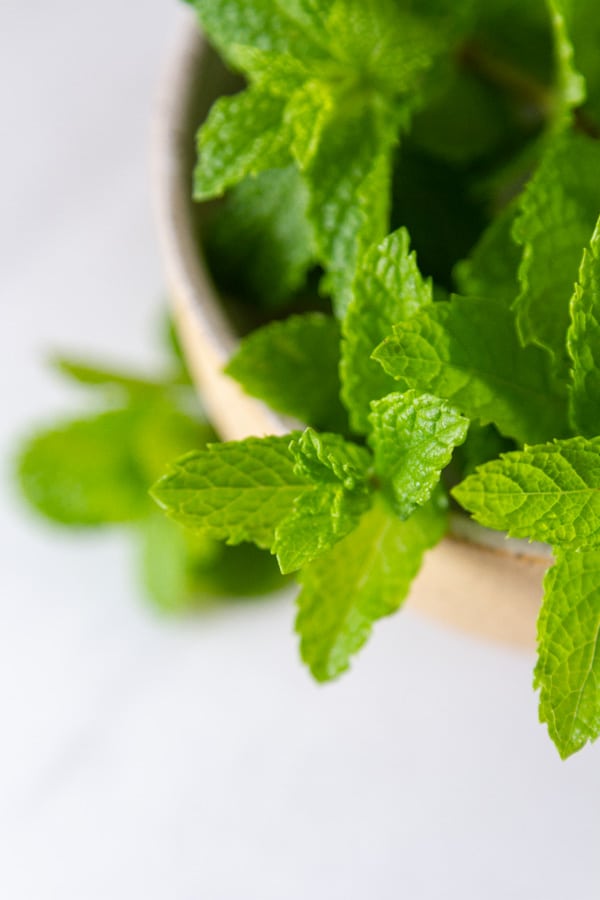
Mint is a perennial that grows quickly. Some might even call it a weed.
Give it a location that receives 3 to 6 hours of sun each day, well-drained soil, and regular watering. Mint can be used nicely as a groundcover.
Personally, I love it. I have three different types of mint growing in my garden. It’s so fresh and nice!
Stop by your local nursery for mint plants.
Many people prefer to grow it in containers or pots because it can grow and spread so rapidly. A pot will help keep it under control and you can move the plant to whatever location you choose.
Pots can also be brought inside and placed near a sunny window.
Harvesting fresh mint
Choose a clear day with little to no moisture to harvest the mint. The optimal time for picking fresh herbs is in the morning when their essential oils are most concentrated.
Use sharp scissors or pruning shears to cut mint stems just above a set of healthy leaves.
Harvest the leaves as needed but take care not to remove more than a third of the plant at any one time.
For the best minty flavor, it’s best not to let your mint plant flower. Flowering takes a lot of energy from the plant and can reduce the flavor of the leaves. Just pinch off any flower buds as they appear. If it’s allowed to flower, the blossoms will attract bees, butterflies, and other beneficial pollinators.
Cleaning the leaves
Gently rinse the harvested mint leaves under cold water to remove any dirt. Be careful not to bruise or damage the leaves during the washing process.
Gently shake the excess water off of the leaves, then use a paper towel or kitchen towel to dry the mint leaves further if needed.
You can also air dry by placing fresh leaves in a colander or strainer.
Snip mint sprigs just above a pair of leaves. This is where new buds will emerge to replace the foliage you are removing.
Culinary Uses of Fresh Mint
Mint is most famous for its culinary uses. From beverages (collection of Alcohol Free Drinks, many using mint!), to jellies, desserts, to garnishes, mint can be found in all kinds of sweet dishes. But don’t stop there. Mint is also great in savory dishes like pesto, lamb, and pho.
When cooking with the tender leaves and stems, use a sharp knife and cut gently. Using a dull knife or over-chopping will bruise the herb and lead to the leaves losing their flavor.
It’s also best to add it raw or at the end of the cooking process. This helps it maintain the delicate flavor and texture. And it’s great in salads like my Garden to Table Kale Salad.
ways to use all the mint growing in your garden
Mint is great in all kinds of salads like Peach Strawberry Fruit Salad and The Jennifer Aniston salad.
Make an easy tropical pineapple salad snack by tossing fresh or canned pineapple with chopped mint leaves. Garnish with toasted coconut.
Leaves can be dried and stored to be used later in tea. Check out my How to Dry Fresh Mint and Dried Mint Tea Recipe.
Mint is great in lemonade, limeade, fruit juices, ice tea, and mojitos. Try a Pineapple Mint Mocktail and Peach Mojito. And have you tried a mint coffee? So good – grab the recipe for Philz Mint Mojito Coffee.
Make your own mint extract by steeping mint leaves in vodka.
Make a super simple lemonade or limeade by mixing freshly squeezed juice with simple syrup, muddled mint leaves, and some water. And don’t forget about Mint Juleps.

Mint water or mint tea is a fantastic drink & I’ll share the recipe lower on this page. Serve your mint water over mint ice cubes for extra minty-ness!
BTW, I also tried the mint water recipe with basil, and it’s delicious. If you have tons of summer basil in your garden, hive some Basil Water a try!

It makes a lovely garnish for beverages and desserts.
Fresh mint is delicious in cookies and baked goods too! Try some Mint Rugelach, Cherry Mint Cupcakes, or add some chopped fresh mint to your next batch of chocolate chip cookies.
Serve mint with breakfast by adding some fresh chopped mint to vanilla yogurt and berries.
Add mint to fruit or fruit juice and freeze for popsicles.
mint recipes
Mint simple syrup is easy to make: use 2 parts water to 1 part sugar and 1 part fresh mint leaves. bring the water and sugar to a boil, stirring to dissolve the sugar. Add the mint leaves. Reduce the heat to a simmer and cook, without stirring, until the syrup is slightly reduced and syrupy, about 10 minutes. Transfer the syrup to a small bowl and let cool slightly, about 10 minutes. Discard the mint leaves. You can use the syrup immediately, or let it cool to room temperature. Store in a covered jar in the fridge for up to one month.
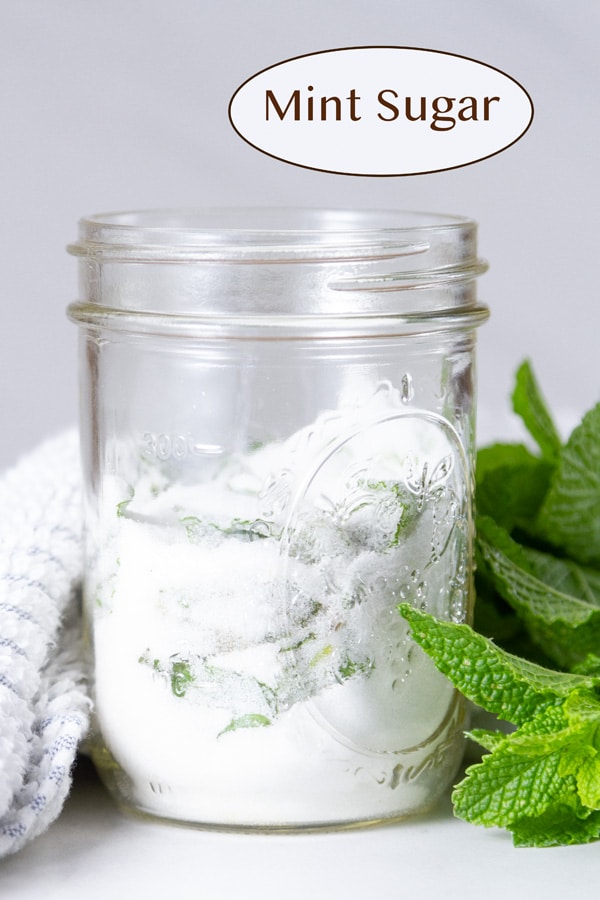
Mint Sugar: Take about 3 sprigs of fresh mint leaves (the more mint you add the more mint flavor your sugar will have) and blot dry. Place the mint in a glass jar, and gently muddle leaves with a wooden spoon to release the mint oil. Mix in 1 cup of granulated sugar. Cap the jar tightly and once or twice a week stir the sugar to break up clumps.
And be sure to check out the printable recipe card for the mint water recipe at the bottom of the post.
Medicinal and Health Benefits
Mint’s leaves are packed with nutrients and health benefits that range from improving brain function and digestive symptoms to relieving cold symptoms and bad breath.
Mint is super beneficial as a replacement for salty, sugary, or calorific flavorings.
- Aids in digestion and may soothe your upset stomach or nausea
- It activates salivary glands, getting the digestive juices flowing
- Relieves symptoms of IBS, indigestion, and heartburn (though for some people it will worsen heartburn)
- May help relieve tension headaches
- Helps reduce the severity of menstrual cramps
- Boosts your skin health
- Eases difficulty breathing when you have a cold
The leaves are a rich source of Vitamin A, C, B12, folic acid, thiamine, and riboflavin, as well as, minerals such as, calcium, copper, fluoride, iron, manganese, phosphorus, potassium, selenium and zinc.
The best way to get these nutrients from mint is to eat it. However, while mint contains these nutrients, the amount that most people would typically consume is not sufficient to provide a significant amount of a person’s daily requirement.
It’s good at relaxing and calming the muscles in your body, and therefore, mint tea is great for relieving digestive problems and stomach cramps. It’s also a natural diuretic.
If you’re interested in rethinking your diet, you may want to check out my Must Read Diet and Nutrition Books guide.
Mint Varieties and Characteristics
The two most common varieties of mint are spearmint and peppermint.
Typically, the mint in the stores is spearmint. When a recipe calls for mint, it’s generally spearmint.
Spearmint is light-green in color with spear-shaped leaves puckery or dimpled leaves, and has that classic sweet mint flavor.
Sometimes you can find peppermint in the stores too. Peppermint has purple-tinged stems and the leaves are darker green than spearmint and smooth. It’s more pungent, and has a bold potent flavor because peppermint contains menthol.
Peppermint is typically dried for tea and made into flavorings for candy, toothpaste, and other products.
It’s also infused into extracts, which is often used in desserts, like Mint Candies, Peppermint Caramels, and Peppermint Oatmeal Sandwich Cookies.

How to choose
Fresh mint is easy to grab at your local grocery store or Farmer’s Market. And, it’s available year-round at the store.
I typically see it in the produce section at the store, in the herb area.
You can also look for fresh mint at Farmer’s Markets, especially in the summer. The farmer should be able to tell you what type of mint they are selling.
Look for mint leaves that are even-colored and not wilted. If you rub the leaves between your fingers, it should smell fresh and minty.
If you’ve bought a bunch of mint that’s held together by a rubber band, remove the band when you get home.
Storage
Store it in the fridge, loose in a plastic bag, wrapped loosely in a just-damp paper towel so it won’t dry out and air can circulate. It’ll stay fresh for at least a week or even longer.
Mint can also be frozen for longer storage. Wash and dry the mint. Remove the leaves from the stems. Place the clean leaves in a ziptop freezer bag, and into the freezer for up to 3 months.
Other Uses and Benefits:
Mint also has non-culinary applications, such as cosmetics, personal care products, and aromatherapy. I won’t dive into these too much, as my main focus is on mint for culinary purposes.
But, know that mint is also great in repelling pests, including insects like mosquitoes and ants.
Essential oils are great ways to use these properties of mint.
Oh, one of my favorite peppermint essential oil tips: I like to add a couple drops of peppermint oil to the filter in my vacuum cleaner. As I run the vacuum, the air heats up and moves through the minty fragrance, dispersing it through the house. I love it!
Interesting Facts and Trivia:
Mint is not actually any sweeter than basil or other fresh herbs. Give it a taste comparison for yourself.
Long a symbol of hospitality, Greek mythology claims that mint was once the nymph Mentha. She angered Pluto’s wife Persephone, who turned her into the aromatic herb.
It was rubbed on tables to welcome visitors in ancient Greece. The herb was used also to clear the air in temples and homes.
Mint Cautions or Concerns
Be sure to speak with your healthcare provider before taking it or any other supplement to determine whether any of your medications could interact with it.
Though allergies are uncommon, if you’re allergic to oregano or basil, you may be allergic to mint. Often allergies will show as asthma symptoms.
People with GERD gastroesophageal reflux disease should not use mint to soothe digestive issues.
Though mint is sometimes used to relieve heartburn, for some people it may actually worsen heartburn symptoms.
Taking peppermint oil in large doses can be toxic. Pure menthol is poisonous and not for internal consumption.
Do not apply mint oil to the face of an infant or small child, as it may cause spasms that inhibit breathing.
Conclusion:
I encourage you to explore incorporating fresh mint into your culinary endeavors, gardening projects, and personal care routines.

Let’s keep in touch
If you like seeing my recipes subscribe via email in the upper right.
Or, connect with me on your favorite social media channel for recipes, photos, & much more:
Pinterest, Facebook, Instagram, YouTube and Twitter!
And find my shop on Amazon for recommendations on cool tools
If you try this recipe,
please come back & leave a comment below letting us know how it goes.
Share a picture & tag @lifecurrents on Instagram.
Or you can upload a “tried it” photo (I would love to see)
via the pin.

Mint water recipe

Mint Water
Ingredients
- ¼ cup mint leaves
- 1 cup boiling water
- 6 cups cold water
Instructions
- Place about ¼ cup mint leaves in 1 cup boiling water and steep for 15 minutes. Remove the leaves, and allow it to cool a bit. Add 6 cups cold water, and refrigerate for about an hour.
- The flavor intensifies, becoming more minty, during the hour of refrigerating.
Video
Notes
Nutrition
Nutritional information is based on third-party calculations, and should be considered estimates. Actual nutritional content will vary based on brands used, measuring methods, portion sizes, and more.


Sonal
I enjoyed reading the article Debi! Very well written! Thanks for including my salad!